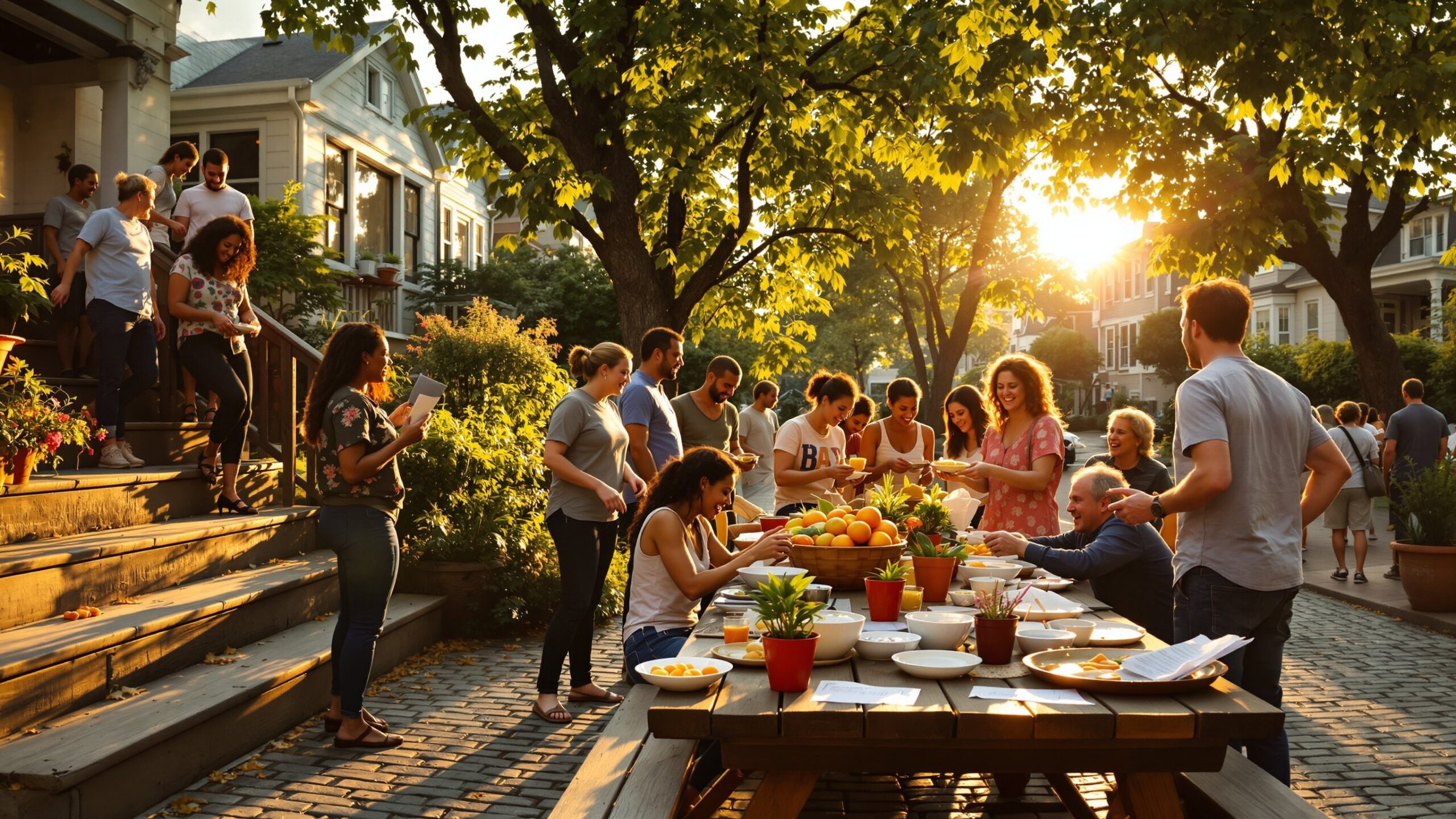
Neighborhood leadership begins where sidewalks meet stories, where everyday residents decide that the block they share is worth shaping together. It is the art of turning familiar faces into trusted partners and small concerns into community momentum. Great neighborhoods do not happen by accident; they grow from people willing to listen, organize, and imagine better. Neighborhood Leadership on Citizen Streets explores the skills, stories, and tools that help local champions bring neighbors to the same table. From starting block associations to guiding cleanups, mediating disagreements, and welcoming new families, leadership shows up in practical, hopeful ways. These articles celebrate residents who notice the loose step, the lonely senior, the vacant lot, and decide to act rather than complain. You will find ideas for building inclusive meetings, working with city hall, sharing power, and keeping momentum when progress feels slow. Whether you are a longtime organizer or a first-time volunteer, this space invites you to see leadership as a neighborly verb practiced close to home. Together we grow the streets we love with courage daily pride.
A: Start small: a coffee meetup, a simple survey, and one quick-win project to build momentum.
A: Use a code of conduct, time limits, and “problem → options → next step” facilitation to stay solution-focused.
A: Route requests correctly, provide specifics (dates/photos), and follow up on a steady cadence with a clear ask.
A: Meet people where they are: school events, libraries, apartment lobbies, and daytime options—plus micro-tasks.
A: A visible, achievable win: cleanup, safety walk, lighting fixes, or a community event that builds relationships.
A: Rotate roles, share templates, keep commitments small, and celebrate progress publicly.
A: Clarify shared values, gather input, present multiple options, and document decisions transparently.
A: Not always—many wins come from organized residents, but formal status can help with grants and partnerships.
A: Try local business sponsorships, micro-donations, mini-grants, or a simple fundraiser tied to a specific goal.
A: Track participation, completed projects, improved response times, and whether more neighbors feel connected.