Property taxes are one of the most significant—and often least understood—financial obligations homeowners face. Every year, millions of Americans open their tax bill and wonder the same thing: Why is this amount so high, and where does all this money actually go? Unlike federal income taxes or state sales taxes, property taxes are intensely local. They fund the services and infrastructure that shape daily life in your community, from public schools and police departments to parks, libraries, and road repairs. Understanding your property taxes isn’t just about decoding a bill. It’s about understanding how your city, county, and school district function. It’s about seeing how your financial contribution supports the neighborhood you live in. And it’s about knowing what you’re paying for—and whether it aligns with your expectations as a homeowner and citizen. In this comprehensive guide, we’ll break down how property taxes are calculated, who sets the rates, and most importantly, where the money really goes.
A: Your assessed value or the taxable portion may have increased, or exemptions changed.
A: It’s split among local agencies—schools, county/city services, and special districts—shown on your bill breakdown.
A: Assessment is the taxable value set by the assessor; appraisal is a market-value opinion often for lending/sales.
A: Check property record details and compare to recent sales of similar nearby homes.
A: Not always—appeals depend on evidence, and some places can adjust values upward if data shows it.
A: Comparable sales, photos of issues, repair estimates, and corrected property facts.
A: Programs that reduce taxable value—apply through your assessor/treasurer and renew if required.
A: Contact the tax office ASAP—installment plans or hardship options may exist; penalties often start quickly.
A: Some bills bundle fees/assessments (stormwater, refuse, lighting) alongside property taxes.
A: Local governing bodies adopt budgets; rates are set to raise the revenue needed within legal limits.
What Are Property Taxes and Why Do They Exist?
Property taxes are levied by local governments on real estate, including land and any structures attached to it. In the United States, property taxes are the primary revenue source for local governments. While federal and state governments rely heavily on income and sales taxes, cities, counties, and school districts depend on property taxes to keep essential services running.
The concept is straightforward: if you own property, you contribute financially to the community infrastructure that supports it. Streets, public safety, schools, water systems, and emergency services all enhance property values and quality of life. Property taxes are the mechanism that funds those shared benefits.
Because property taxes are local, they vary widely depending on where you live. Two homeowners with similar houses in different counties—or even different neighborhoods—can pay dramatically different amounts. The difference often comes down to local budgets, school funding needs, voter-approved bonds, and property assessments.
How Property Taxes Are Calculated
To understand where your money goes, you first need to understand how your property tax bill is calculated. While formulas vary by state and locality, the core components are generally consistent.
The first element is your property’s assessed value. A local tax assessor determines the market value of your home based on factors such as location, size, condition, recent sales of comparable properties, and improvements made to the property. In some areas, assessments occur annually; in others, they happen every few years.
The second element is the assessment ratio. Some states tax property at a percentage of its assessed value. For example, if your home is valued at $300,000 and the assessment ratio is 80 percent, your taxable value would be $240,000.
The third element is the tax rate, often referred to as the mill rate. A mill represents one dollar of tax for every $1,000 of assessed value. If your taxable value is $240,000 and the mill rate is 20 mills, you would owe $4,800 in property taxes.
Local voters and elected officials often influence tax rates. School bonds, infrastructure projects, and public safety funding measures can increase or stabilize property tax rates over time.
The Largest Share: Public Schools
In most communities, the largest portion of property tax revenue goes to public education. School districts rely heavily on local property taxes to fund teacher salaries, classroom supplies, technology upgrades, transportation, building maintenance, and extracurricular programs. In many states, property taxes account for more than half of a school district’s funding. This reliance can create disparities between wealthier and lower-income areas, as neighborhoods with higher property values generate more revenue. States often attempt to balance these disparities through funding formulas, but local property taxes remain a dominant factor. When you see a significant portion of your tax bill allocated to the school district, it reflects the high cost of education. Teacher compensation, student services, special education programs, school safety measures, and facility improvements all require substantial financial resources. Even if you do not have children in the public school system, property taxes that support schools contribute to community stability and property values. Strong schools often correlate with higher home values and more attractive neighborhoods.
Public Safety: Police, Fire, and Emergency Services
Another major destination for property tax revenue is public safety. Police departments, fire departments, emergency medical services, and disaster preparedness agencies are often funded in large part through local property taxes.
Police department budgets typically include officer salaries, training, equipment, vehicles, technology systems, and administrative costs. Fire departments require funding for fire stations, fire engines, protective gear, and ongoing safety training.
Emergency services are resource-intensive. Maintaining rapid response times requires staffing, fuel, communication systems, and specialized equipment. Property taxes provide the stable funding necessary to ensure that when emergencies happen, help arrives quickly.
For homeowners, this funding translates directly into safety, lower insurance risks, and increased property stability.
Infrastructure and Public Works
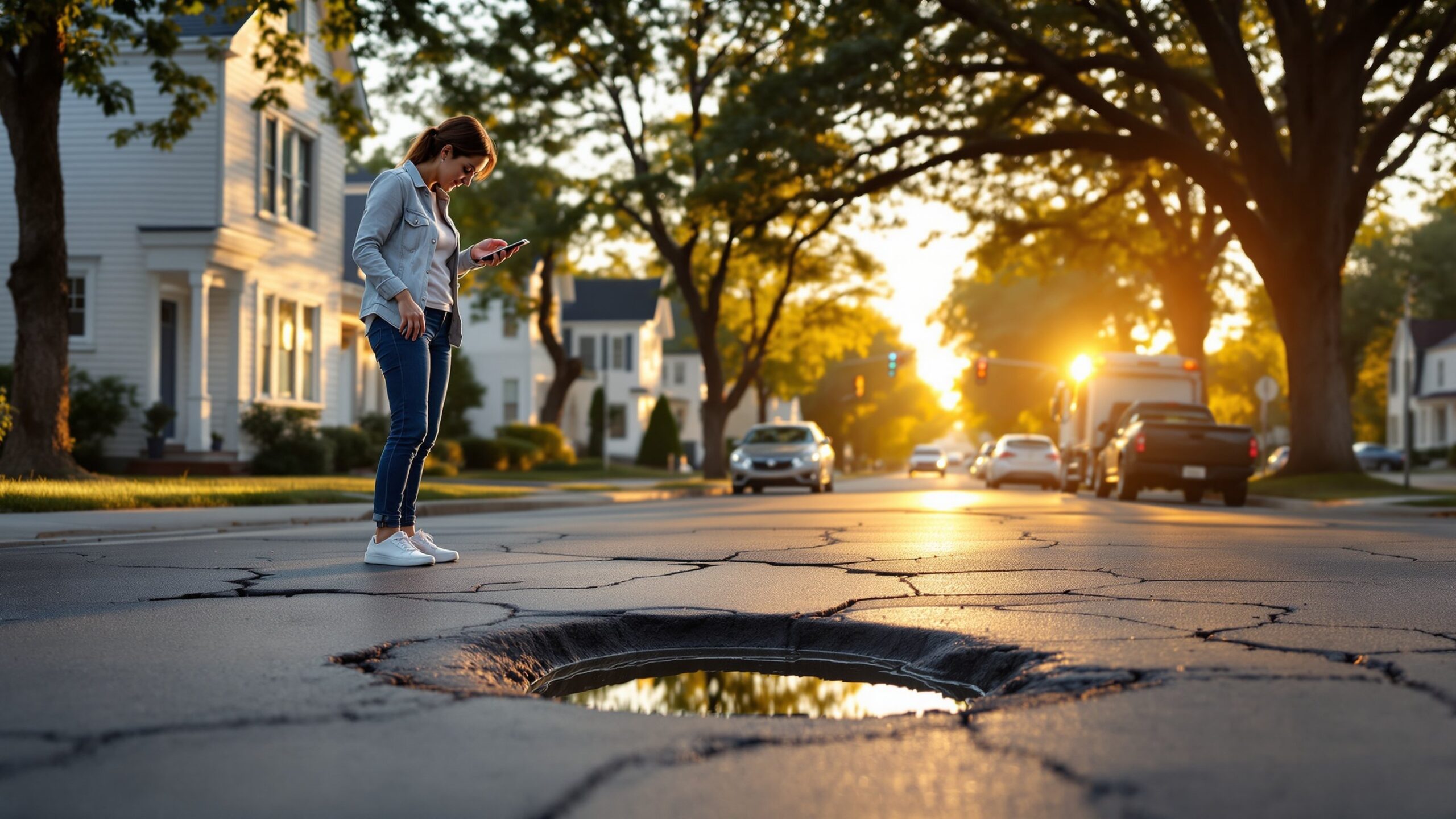
Look around your neighborhood. Roads, sidewalks, bridges, streetlights, storm drains, and water systems don’t maintain themselves. A portion of your property taxes supports public works departments that build, repair, and maintain this infrastructure. Infrastructure spending often includes resurfacing roads, repairing potholes, maintaining traffic signals, and upgrading water and sewer systems. Aging infrastructure is a major challenge in many communities, and property taxes help address ongoing repair and modernization needs. Public works funding also supports snow removal in colder climates, storm response in hurricane-prone areas, and flood control measures in vulnerable regions. Reliable infrastructure enhances property values and supports economic growth. Businesses are more likely to invest in communities with well-maintained roads and utilities, which in turn strengthens the local tax base.
Parks, Libraries, and Community Services
While schools and public safety consume large portions of property tax revenue, many communities also allocate funds to parks, recreation departments, and public libraries.
Local parks provide green spaces for families, walking trails, playgrounds, and sports facilities. Recreation programs may include youth sports leagues, fitness classes, senior programs, and community events.
Public libraries are more than book repositories. They offer internet access, job search assistance, educational programs, and community meeting spaces. For many residents, especially those without reliable internet access at home, libraries serve as essential public resources.
These services contribute to quality of life, making neighborhoods more livable and attractive to potential homebuyers.
Local Government Operations
Property taxes also fund the general operations of city and county governments. This includes administrative staff, planning and zoning departments, code enforcement, election administration, and public records management. City councils and county commissions allocate budgets annually, determining how property tax revenue is distributed across departments. Salaries for clerks, planners, inspectors, and other civil servants are part of this operational cost. Local governments are responsible for managing growth, enforcing building codes, issuing permits, and ensuring compliance with safety regulations. These functions help maintain orderly development and protect property values.
Debt Service and Bonds
If your community has recently built a new school, expanded a highway, or constructed a public safety facility, property taxes may be used to repay bonds issued to finance those projects.
Municipal bonds allow local governments to borrow money upfront for large capital projects and repay it over time. Voters often approve these bonds through local referendums. The repayment—known as debt service—is typically funded by property taxes.
When you see a line item on your tax bill referencing bond repayment or debt service, it reflects investments your community has made in long-term infrastructure or facilities.
State vs. Local Influence
Although property taxes are local, state governments often play a role in regulating assessment methods, limiting tax increases, or providing oversight. Some states impose caps on how much assessed values can increase annually. Others limit the total tax rate local governments can levy without voter approval. State funding formulas may also redistribute some revenue to ensure more equitable school funding. Understanding your state’s property tax laws can help explain fluctuations in your annual bill.
Why Property Taxes Increase
Many homeowners are surprised when their property tax bill rises, even if the tax rate hasn’t changed. Several factors can drive increases.
Rising property values can lead to higher assessments. Home improvements such as adding a deck, renovating a kitchen, or finishing a basement can also increase assessed value. In some cases, local governments may raise tax rates to cover budget shortfalls or fund new initiatives.
Inflation, growing service demands, and expanding populations can all increase municipal costs. When local budgets grow, property taxes often follow.
Challenging Your Property Assessment
If you believe your property has been overvalued, you typically have the right to appeal the assessment. The appeals process varies by jurisdiction but often involves submitting evidence such as recent comparable sales, appraisal reports, or documentation of property issues. Successful appeals can reduce your assessed value and lower your tax bill. However, it’s important to understand deadlines and procedural requirements, as appeals windows are usually limited.
The Bigger Picture: Property Taxes and Community Investment
It’s easy to view property taxes as a burden, but they are also an investment in your community’s stability and future. Safe streets, strong schools, reliable infrastructure, and accessible public services all contribute to neighborhood desirability and long-term property appreciation.
Communities with consistent property tax funding often maintain better public amenities and attract businesses and families seeking quality services. Over time, this can strengthen home values and local economic resilience.
Understanding where your property taxes go empowers you as a homeowner. It allows you to participate more effectively in local budget discussions, school board meetings, and municipal elections. It helps you evaluate bond measures and public spending proposals. And it ensures you are not just paying a bill—but actively engaging in the civic life of your community.
Final Thoughts
Property taxes are deeply local, highly visible, and essential to everyday life. They fund the services that keep communities safe, educated, connected, and thriving. From classrooms and fire stations to libraries and roadways, your property tax dollars are woven into the fabric of your neighborhood. The next time your property tax bill arrives, look beyond the number. Consider the schools educating children, the firefighters responding to emergencies, the roads carrying commuters, and the parks hosting weekend gatherings. Understanding your property taxes transforms frustration into clarity—and gives you a clearer picture of where your money really goes. By staying informed and engaged, you not only protect your financial interests but also contribute meaningfully to the future of your community.