
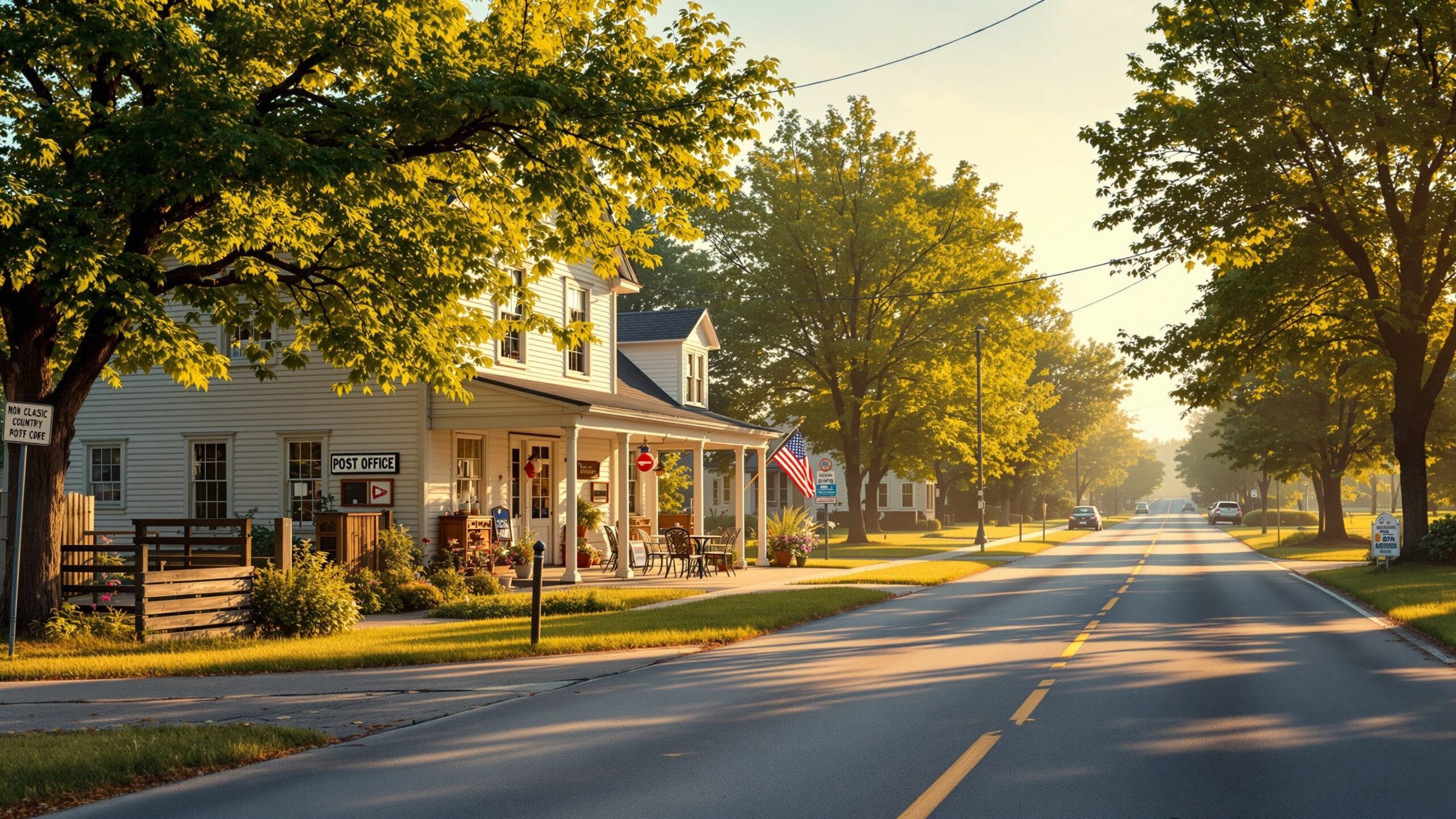
Across open fields, quiet main streets, and horizons that seem to stretch forever, rural communities carry the steady heartbeat of everyday life. This corner of Citizen Streets celebrates the towns, villages, and countryside neighborhoods where traditions run deep and neighbors still know one another by name. Rural places are more than scenic backdrops—they are centers of innovation, resilience, and creativity, shaped by farmers, teachers, small-business owners, and volunteers who keep local life thriving. Here you’ll explore stories about the character of country living, from historic general stores and volunteer fire halls to new ideas transforming agriculture, broadband access, and hometown economies. Our articles look at the challenges rural residents face and the inventive solutions they build together, highlighting the spirit of cooperation that defines these communities. Whether you grew up on a gravel road or are simply curious about life beyond the city limits, this collection invites you to discover how rural voices shape culture, stewardship, and civic life. Step into the wide-open conversation and see how rural communities continue to inspire connection, pride, and possibility across Citizen Streets.
A: It depends on ownership. Ask for a jurisdiction map; maintenance funding follows who owns the road.
A: Collect speed data, document gaps, pursue state/federal grants, and explore co-op/municipal partnerships where allowed.
A: Contact the clerk/administrator, ask the deadline, submit a short written request, and bring a one-page issue brief.
A: Create smaller roles, rotate schedules, recognize service publicly, and recruit through schools, churches, and local employers.
A: Blended strategies: grants + local match + bonds + special districts + in-kind labor and donated materials.
A: Career pathways, apprenticeships, broadband, recreation, and “third spaces” plus support for starter housing.
A: Yes—ADUs, small-lot homes, rehab programs, and infill near services can add homes with minimal visual impact.
A: It’s a local government unit for a specific service (fire/water/etc.) with its own board and budget—often very influential.
A: Clear rules, time limits, neutral facilitation, written comments, and a focus on shared goals reduce heat and increase progress.
A: Build a contact tree and resource list (generators, shelters, medical needs) before the next storm/fire season.