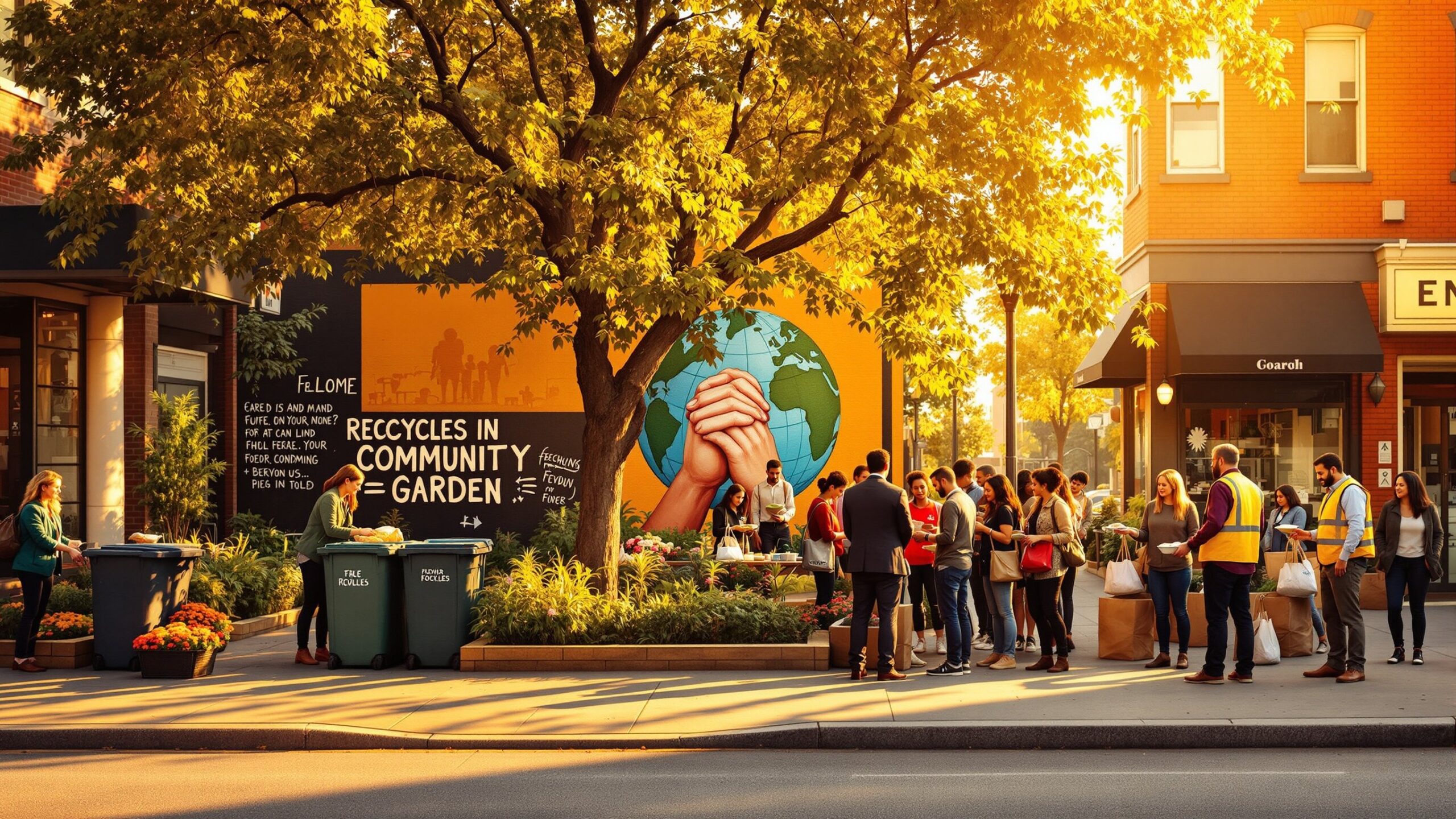
Social responsibility is the heartbeat of healthy communities—a promise that the choices we make as neighbors, businesses, and leaders can lift more lives than our own. On this corner of Citizen Streets, we explore the everyday power of caring beyond the front door: how a purchase can support fair wages, how a volunteer hour steadies a family, and how a vote or kind decision ripples through a town. Social responsibility is not a lecture; it is a toolkit for modern citizenship, blending ethics with action and ideals with practical steps. Here you will find stories of companies redesigning supply chains, schools teaching service, and people turning concern into momentum. We look at climate stewardship, digital kindness, workplace equity, and the courage of speaking up. Every article invites you to see yourself as a builder rather than a bystander. Whether you are curious about sustainable living, community investing, or fair technology, this space connects global challenges with local moves. Walk these pages and discover how responsibility becomes opportunity—and how citizens together write the better next chapter.
A: Pick 1–2 focus areas, set a measurable goal, publish progress quarterly.
A: Tie actions to outcomes, share metrics, and be transparent about tradeoffs.
A: It helps, but operations often matter more: wages, sourcing, safety, privacy, and waste.
A: A small dashboard: employee well-being, environmental impact, community outcomes, compliance.
A: Align with mission, check evidence of impact, and agree on what success looks like.
A: Use a materiality process: listen widely, then commit clearly and explain why.
A: Acknowledge fast, explain causes, fix the system, and report follow-up results.
A: Change defaults, tighten policies, choose better vendors, and focus on repeatable wins.
A: Compensate lived expertise when appropriate and share decision-making early.
A: Reduce harm, increase dignity, and build trust—then prove it with data.